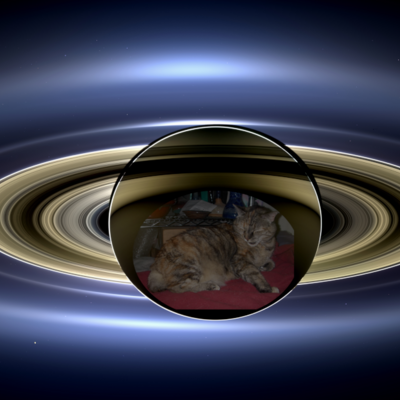
Someone tried to impress me by showing me the Great Potoo, but having been exposed to #PicaTheCat I'm not that impressed:
-
Someone tried to impress me by showing me the Great Potoo, but having been exposed to #PicaTheCat I'm not that impressed:
* Huge goofy eyes?
* Convincing wood-grain texture?
* Absurdly large mouth that opens out of nowhere like a Muppet?
* Haunting eerie noise at night?
* Eating bugs just because they are there?Maybe I should call her "Potoo The Cat"
-
Someone tried to impress me by showing me the Great Potoo, but having been exposed to #PicaTheCat I'm not that impressed:
* Huge goofy eyes?
* Convincing wood-grain texture?
* Absurdly large mouth that opens out of nowhere like a Muppet?
* Haunting eerie noise at night?
* Eating bugs just because they are there?Maybe I should call her "Potoo The Cat"
@futurebird
1/2
the really weird part, is that Potoos belong to a group of birds that contains several other nocturnal bird families - the nightjars, the frogmouths, the owlet-nightjars, and the oilbird ... and swifts and hummingbirds. As a bonus, the swifts and hummingbirds are most closely related to one of the nocturnal groups, the owlet-nightjars, and deeply nested among nocturnal birds. -
 F myrmepropagandist shared this topic
-
@futurebird
1/2
the really weird part, is that Potoos belong to a group of birds that contains several other nocturnal bird families - the nightjars, the frogmouths, the owlet-nightjars, and the oilbird ... and swifts and hummingbirds. As a bonus, the swifts and hummingbirds are most closely related to one of the nocturnal groups, the owlet-nightjars, and deeply nested among nocturnal birds.@llewelly @futurebird if you told me these were all the names of monsters from D&D I would have believed you

-
@llewelly @futurebird if you told me these were all the names of monsters from D&D I would have believed you
-
@futurebird @Eliot_L
1/3
well, oilbirds roost in caves, they echolocate (like bats, but not as precise), and as they feed on oil-palm fruits and tropical laurels, they are so oil-rich they are flammable, especially when young. And there are historical accounts of cave explorers using them as torches.