How does one "learn IPA" ?
-
Maybe? Though the most extreme example of people saying "robit" for "robot" I can think of tend to be old radio recordings of guys with a schooled "mid Atlantic" radio voice of the 30s or 40s
Asimov is a great example for my "collection of accents" spreadsheet since I don't notice he has an accent unless I'm trying to notice such things. (Not true of, say Bernie Sanders who I notice right away.)
Watching the NYC inauguration was fascinating for accents.
@futurebird Billy West (Z's voice actor) says it was a fusion of George Jessel and Lou Jacobi, so a combination of an old vaudeville style voice and a Yiddish one.
-
@futurebird Billy West (Z's voice actor) says it was a fusion of George Jessel and Lou Jacobi, so a combination of an old vaudeville style voice and a Yiddish one.
The mastery this guy has over his voice is amazing.
-
The mastery this guy has over his voice is amazing.
@futurebird Professional voice actors are incredible. Have you seen Harry Shearer have a rapid fire conversation with himself between Smithers and Mr Burns? Witchraft, I tells ya. Witchcraft.
-
How does one "learn IPA" ? I'm interested enough in language and accents in a hobby kind of way that I don't think I can avoid it anymore.
But I find it extraordinarily intimidating. All those backwards letters and little embellishments...
What would one do? Make some flash cards?
IPA: International Phonetic Alphabet
It's stuff like this: ˈlaŋɡuad͡ziz@futurebird@sauropods.win It's not rocket science — flashcards would certainly help. Maybe just sit with a dictionary and test yourself until it sinks in? There's a logic to it all that you'll pick up very quickly. It helps that English has so many different sounds compared to romantic languages.
-
How does one "learn IPA" ? I'm interested enough in language and accents in a hobby kind of way that I don't think I can avoid it anymore.
But I find it extraordinarily intimidating. All those backwards letters and little embellishments...
What would one do? Make some flash cards?
IPA: International Phonetic Alphabet
It's stuff like this: ˈlaŋɡuad͡ziz@futurebird Find examples of words transcribed by people speaking roughly the same variety of English as you do, and match symbol to sound. That will get you the basics quickly.
-
How does one "learn IPA" ? I'm interested enough in language and accents in a hobby kind of way that I don't think I can avoid it anymore.
But I find it extraordinarily intimidating. All those backwards letters and little embellishments...
What would one do? Make some flash cards?
IPA: International Phonetic Alphabet
It's stuff like this: ˈlaŋɡuad͡ziz@futurebird@sauropods.win ˈlæŋɡwɪdʒɪz -
@futurebird@sauropods.win ˈlæŋɡwɪdʒɪz@futurebird@sauropods.win i kinda just learned ipa by . interacting with it a bunch ? reading transcriptions of languages im familiar with, slowly starting to associate sounds with symbols
-
@futurebird@sauropods.win i kinda just learned ipa by . interacting with it a bunch ? reading transcriptions of languages im familiar with, slowly starting to associate sounds with symbols@futurebird@sauropods.win also really important to understand the systematicity - understand what place and manner of articulation mean and how the symbols relate to them
-
@futurebird It's not hard, we learned in a day at high school.
Otherwise, the word "robot" is Russian, the correct prononciation is with "o".
@abuseofnotation @futurebird The word was disseminated in a play by a Czech playright. R. U. R. and coined by his brother.
(Not saying that changes the pronunciation of the 'o'.)
-
How does one "learn IPA" ? I'm interested enough in language and accents in a hobby kind of way that I don't think I can avoid it anymore.
But I find it extraordinarily intimidating. All those backwards letters and little embellishments...
What would one do? Make some flash cards?
IPA: International Phonetic Alphabet
It's stuff like this: ˈlaŋɡuad͡ziz@futurebird I learned with flash cards as part of a linguistics class many years ago. IMO the hard part is all the sounds you’ve never used as part of a language before. It’s hard to get my brain to even hear them properly, let alone remember them, and distinguishing them is extremely difficult. Some of them I can produce correctly because I know what my mouth is supposed to do, but I can’t tell them apart from other sounds when I hear them.
-
How does one "learn IPA" ? I'm interested enough in language and accents in a hobby kind of way that I don't think I can avoid it anymore.
But I find it extraordinarily intimidating. All those backwards letters and little embellishments...
What would one do? Make some flash cards?
IPA: International Phonetic Alphabet
It's stuff like this: ˈlaŋɡuad͡ziz@futurebird@sauropods.win just find some words and transcribe them yourself, then find their actual IPA and listen to the audio
The wikipedia page is also so cool. It has recordings for all the IPA sounds and describes how they are made. -
@futurebird It's not hard, we learned in a day at high school.
Otherwise, the word "robot" is Russian, the correct prononciation is with "o".
@abuseofnotation @futurebird it's not russian, it's Czech.
Robota is the Czech word for corvée labour, and it's pronounced rowbuta.
Karel Čapek first used the noun form in his play, Rossumovi Univerzální Roboti (Rossum's Universal Robots), from 1920.
The best pronunciation of the word in Čapek's concept in popular culture is Dr. Zoidberg in Futurama.
-
 F myrmepropagandist shared this topic
-
It was this conversation about how (to me) it sounds like Issac Asimov says "robit" rather than "robot"
But, several people responded that he says it normally, or that he's saying "robut" or something else. Because obviously none of us have the same idea of what would be correct OR how far Asimov deviates from that.
No one is "wrong" we need better tools!
myrmepropagandist (@futurebird@sauropods.win)
@darkling@mstdn.social @catmisgivings@stranger.social I like the way both of them say "robits" ... this seems to be going away. But it was common in US English a generation ago. https://www.youtube.com/watch?v=OvMZxNmWoko

Sauropods.win (sauropods.win)
@futurebird I don't know how much this has actually influenced the pronunciation of the word, but it's possible that the truncated form _bot_ — always pronounced with an unreduced vowel — has influenced how people pronounce the original long form.
(No American is ever going to produce anything like the original Czech pronunciation without extensive practice, though, of course.)
-
How does one "learn IPA" ? I'm interested enough in language and accents in a hobby kind of way that I don't think I can avoid it anymore.
But I find it extraordinarily intimidating. All those backwards letters and little embellishments...
What would one do? Make some flash cards?
IPA: International Phonetic Alphabet
It's stuff like this: ˈlaŋɡuad͡ziz@futurebird I like to learn with examples like songs or so. Then I thought about this dutch linguists poem that includes all the difficulties in english pronunciation, and I thought, if you know IPA, it isn't difficult anymore.
So, yes there exists a transcription in IPA for "the chaos" (see link in the text after the video). But I need some more learning too.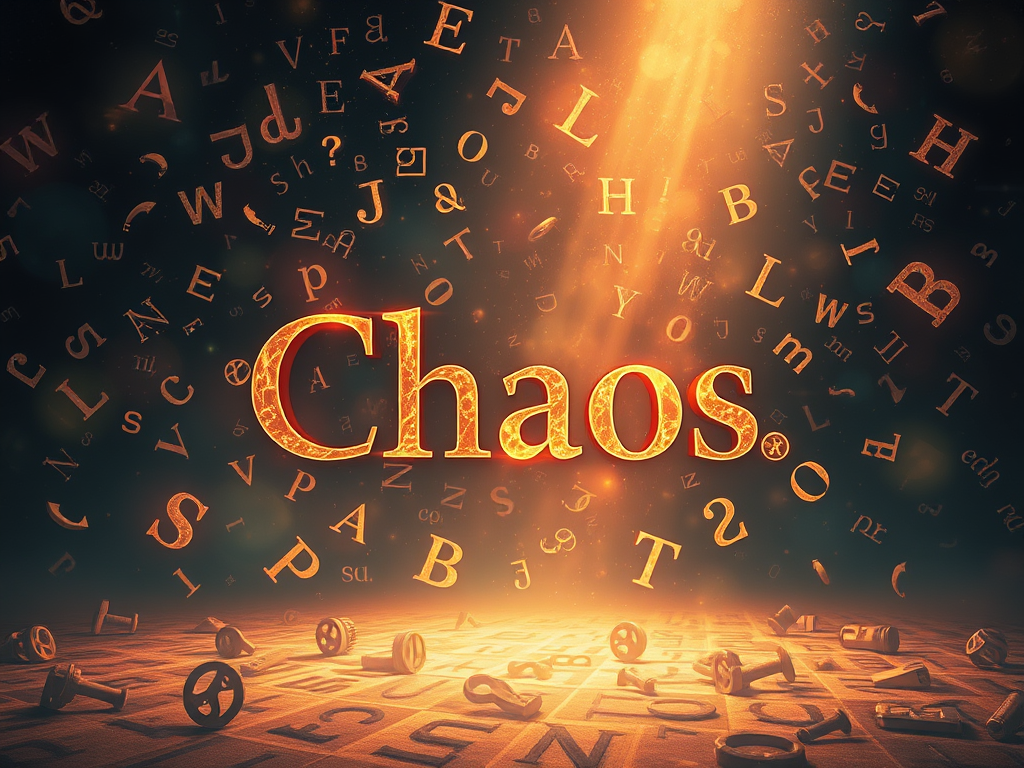
The Chaos Poem: A Guide to IPA and English Pronunciation
Learning English can be challenging, particularly in regards to pronunciation due to its irregularities. Gerard Nolst Trenité's poem "The Chaos" highlights these complexities. The International Phonetic Alphabet (IPA) serves as a helpful tool for language learners, providing a consistent way to understand pronunciation. Mastering the IPA can enhance one's English speaking skills.

Fern's English (fernsenglish.com)
-
@futurebird Find examples of words transcribed by people speaking roughly the same variety of English as you do, and match symbol to sound. That will get you the basics quickly.
seconding the part where you learn the sounds and their transcription based on a language / dialect you are familiar with. No need (yet) to learn sounds that are not part of the language you're listening to.
Then expand from there.
Also listening to people talk and transcribing what you hear is just, like many things, something that gets easier the more you practice.Here's a quick chart of the main phonemes used in American English
https://oercommons.org/authoring/53192-ipa-chart-american-english/view -
How does one "learn IPA" ? I'm interested enough in language and accents in a hobby kind of way that I don't think I can avoid it anymore.
But I find it extraordinarily intimidating. All those backwards letters and little embellishments...
What would one do? Make some flash cards?
IPA: International Phonetic Alphabet
It's stuff like this: ˈlaŋɡuad͡ziz@futurebird Here we learn (a subset of) it in fifth grade together with learning English, and then more characters in French class in sixth grade if we pick French and not Latin.
So my guess is learn a language with some kind of material that has writing, audio and IPA, so you hear the words and see also the IPA writing. -
How does one "learn IPA" ? I'm interested enough in language and accents in a hobby kind of way that I don't think I can avoid it anymore.
But I find it extraordinarily intimidating. All those backwards letters and little embellishments...
What would one do? Make some flash cards?
IPA: International Phonetic Alphabet
It's stuff like this: ˈlaŋɡuad͡ziz@futurebird For me, the easy bit was seeing what my own language looks like when transcribed to IPA. I mean, I know how to say stuff, and seeing how it's transcribed helped me connect what I say to the IPA transcription. This was the basics for me.
As to other languages and phonemes that don't exist in any of the languages I speak well enough... If I'm really interested, I find examples and listen the pronunciations by a native speaker and look at the transcription.
-
How does one "learn IPA" ? I'm interested enough in language and accents in a hobby kind of way that I don't think I can avoid it anymore.
But I find it extraordinarily intimidating. All those backwards letters and little embellishments...
What would one do? Make some flash cards?
IPA: International Phonetic Alphabet
It's stuff like this: ˈlaŋɡuad͡ziz@futurebird
I am still learning, but my go-to reference is https://www.internationalphoneticassociation.org/IPAcharts/IPA_charts_EI/IPA_charts_EI.htmlWhat I like is that they have sound samples!
-
@futurebird I like to learn with examples like songs or so. Then I thought about this dutch linguists poem that includes all the difficulties in english pronunciation, and I thought, if you know IPA, it isn't difficult anymore.
So, yes there exists a transcription in IPA for "the chaos" (see link in the text after the video). But I need some more learning too.
The Chaos Poem: A Guide to IPA and English Pronunciation
Learning English can be challenging, particularly in regards to pronunciation due to its irregularities. Gerard Nolst Trenité's poem "The Chaos" highlights these complexities. The International Phonetic Alphabet (IPA) serves as a helpful tool for language learners, providing a consistent way to understand pronunciation. Mastering the IPA can enhance one's English speaking skills.
Fern's English (fernsenglish.com)
@futurebird but in another dialect, the IPA would be different. Makes the mind boggle.
-
How does one "learn IPA" ? I'm interested enough in language and accents in a hobby kind of way that I don't think I can avoid it anymore.
But I find it extraordinarily intimidating. All those backwards letters and little embellishments...
What would one do? Make some flash cards?
IPA: International Phonetic Alphabet
It's stuff like this: ˈlaŋɡuad͡ziz@futurebird That's an interesting point: maybe there's not a canonical way of saying the phonemes (or sounds) that the International Phonetic alphabet intends to represent.
It seems that Gboard, the Android keyboard utility can be used to pronounce IPA phonemes. And more specialized apps like Pronunroid can be more precise.